|
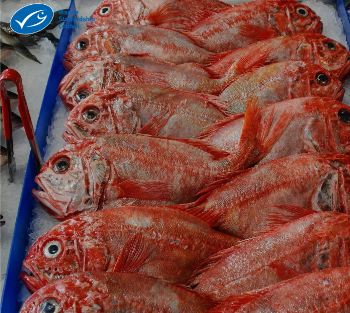
Photo: MSC/AU
From Collapse to Comeback: How Orange Roughy Became a Sustainability Success Story
 AUSTRALIA
Thursday, April 24, 2025, 09:00 (GMT + 9)
The once-overfished deep-sea species is now a symbol of recovery—thanks to bold reform, better science, and global collaboration.
 For decades, orange roughy was a textbook example of what happens when overfishing meets poor management. Known for its extreme longevity—living up to 150 years—and its slow growth and late maturity, this deep-sea fish was pushed to the brink of collapse in the 1980s and ’90s. For decades, orange roughy was a textbook example of what happens when overfishing meets poor management. Known for its extreme longevity—living up to 150 years—and its slow growth and late maturity, this deep-sea fish was pushed to the brink of collapse in the 1980s and ’90s.
But today, several orange roughy fisheries in New Zealand and Australia are proving that even the most vulnerable species can rebound—earning the Marine Stewardship Council (MSC) blue tick for sustainability.
“This is one of the most remarkable turnarounds in modern fisheries,” says Matt Watson, MSC Senior Fisheries Program Manager, Asia Pacific. “But it’s important to understand this applies specifically to MSC-certified fisheries—not all orange roughy stocks in the region.”
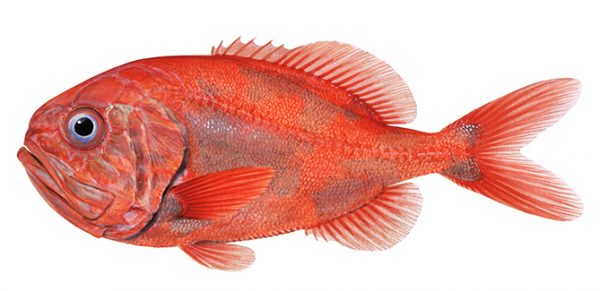
Illustration of Orange Roughy, Hoplostethus atlanticus.(Marine Stewardship Council)
A Collapse Decades in the Making
In the late 20th century, orange roughy boomed in popularity. As global demand surged, catch volumes skyrocketed across Australasia. The result? A cautionary tale.
“Catch levels were so high, some fish wasn’t even making it to market,” explains Watson. “A lot of it ended up as landfill or fertilizer. It was a case of too much, too fast—and the species simply couldn’t keep up.”
Due to its slow reproductive rate and deep-sea habitat, orange roughy couldn’t replenish quickly. By the early 2000s, the species was considered nearly wiped out in some areas, and widely cited as an example of how unsustainable fishing devastates marine ecosystems.
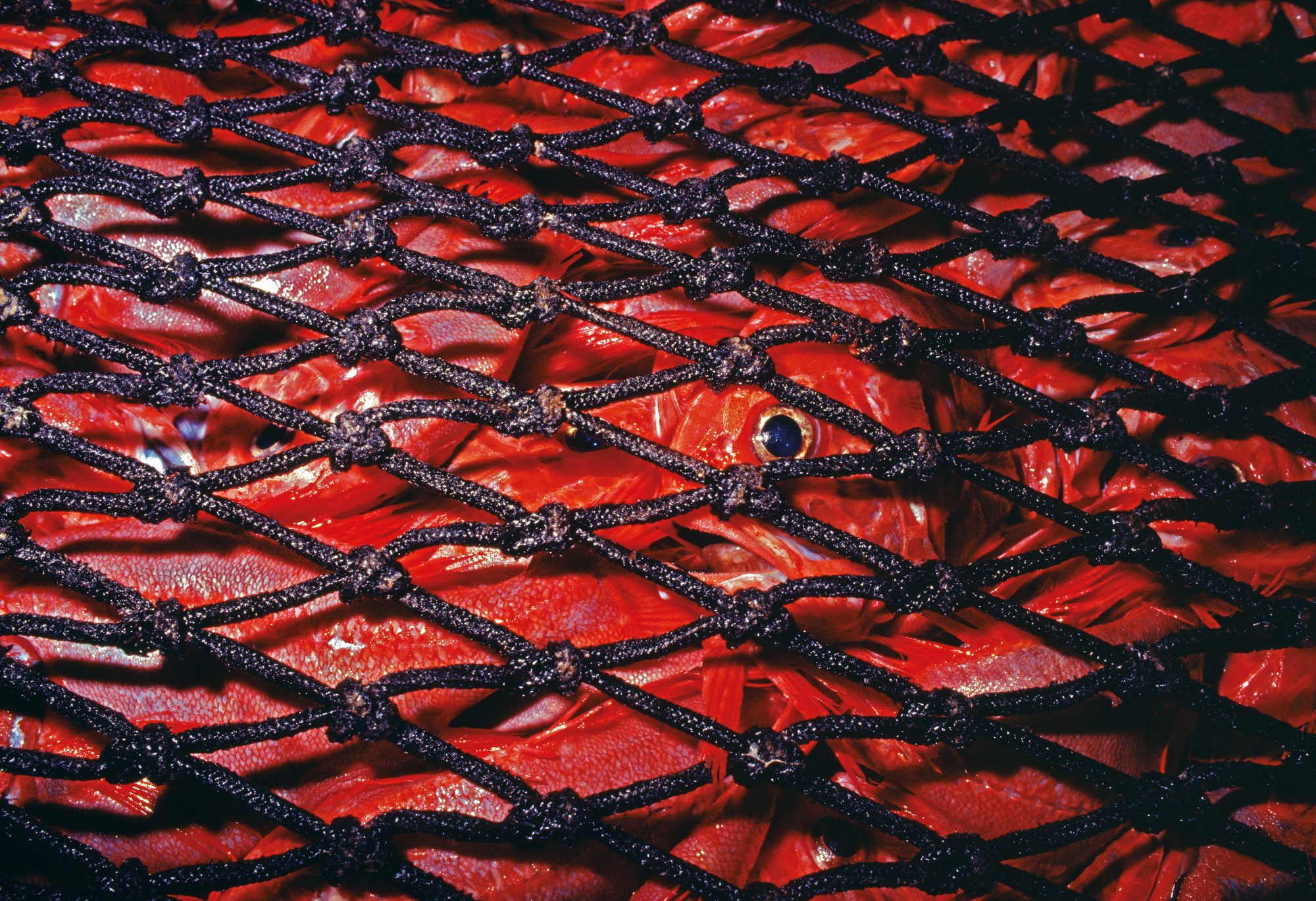
'Orange roughy on the line'. Photo: courtesy Kim Westerskov/nzgeo.com
Turning the Tide: A Commitment to Change
The recovery didn’t come easy—or quickly. Governments, scientists, environmental NGOs and the fishing industry embarked on a long, data-driven path toward sustainability.
In New Zealand, the first breakthrough came in 2016, when one orange roughy fishery became the first in the world to meet the MSC Fisheries Standard. But certification is no endpoint. In 2023, the same fishery voluntarily suspended part of its MSC certificate after a national stock assessment raised concerns over data uncertainty.
“To voluntarily pause a certification shows real integrity,” Watson notes. “It demonstrates that sustainability isn’t just a box to tick—it’s an ongoing process rooted in transparency and accountability.”
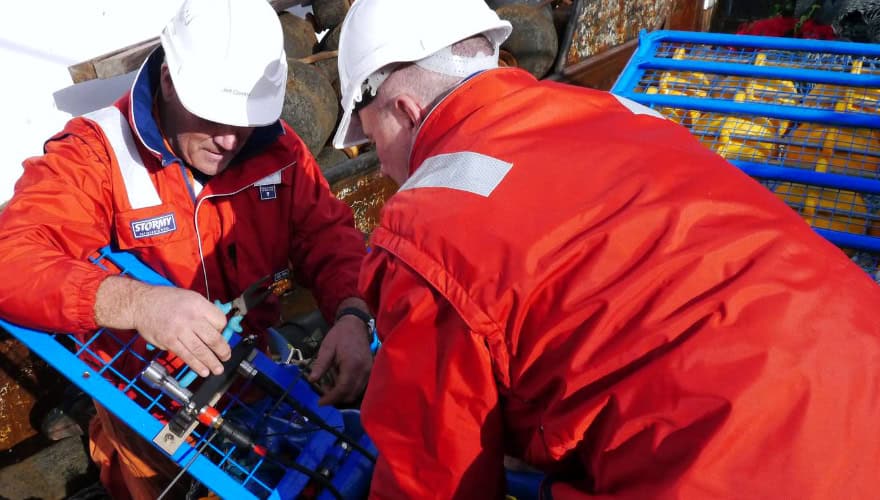
CSIRO scientists working on AOS. (Marine Stewardship Council)
Australia’s Certification Journey
Across the Tasman Sea, Australia’s orange roughy fishery began its own MSC journey in 2020. The initial attempt was halted following an objection during stakeholder review, but the industry didn’t back down.
In 2024, armed with new science and strengthened by the updated MSC Fisheries Standard v3.0, the fishery re-entered assessment. This version better accommodates precautionary approaches—crucial for species like orange roughy.
The path was challenging. A formal objection was raised, triggering a full independent adjudication process. After months of rigorous review, the Independent Adjudicator upheld the certification in February 2025.
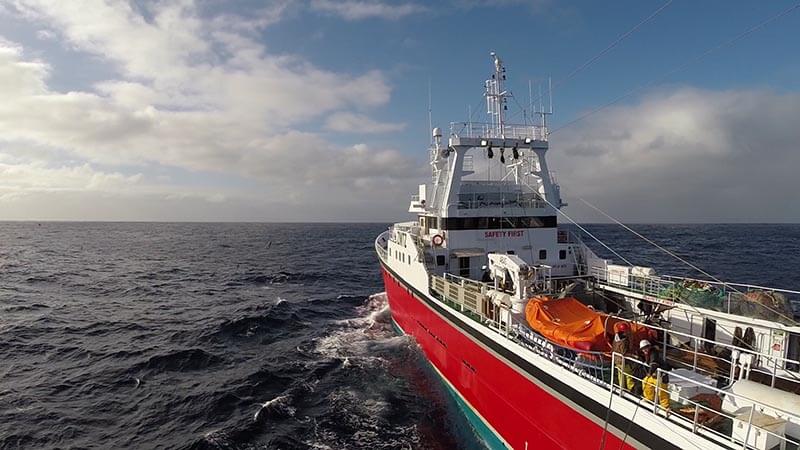
Explorer during orange roughy survey trip (Marine Stewardship Council)
Watson emphasizes the significance: “The decision validated both the science and the integrity of the MSC process. This wasn’t handed out easily—it was earned, thoroughly tested, and publicly scrutinized.”
What Made Certification Possible
Both Australian and New Zealand fisheries worked tirelessly to meet MSC’s rigorous standards. Key actions included:
-
Lower catch limits—set well below maximum sustainable yield to allow stocks to recover
-
Advanced stock assessments using acoustic surveys to improve population estimates
-
Enhanced habitat mapping to reduce impact on sensitive seafloor environments
-
Independent observer coverage on over 50% of fishing trips to ensure transparency
-
Continuous stakeholder dialogue with scientists, communities, and regulators
 “Certification means committing to best practices now and into the future,” says Watson. “It’s not just about what you do today, but about building resilience for tomorrow.” “Certification means committing to best practices now and into the future,” says Watson. “It’s not just about what you do today, but about building resilience for tomorrow.”
Why Certification Matters
Globally, MSC-certified fisheries have implemented more than 2,362 improvements over the past 25 years—proof that certification leads to real, measurable change.
“MSC certification isn’t a gold medal—it’s a promise,” Watson adds. “A promise to uphold science-based management, safeguard marine ecosystems, and remain open to scrutiny.”
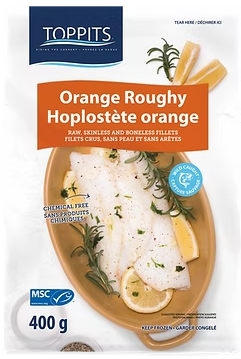
Orange Roughy Fillets 'Toppits' brand by Export Packers Company Limited -->
A Comeback Story Still in Progress
While parts of New Zealand’s orange roughy fishery remain self-suspended pending further science, Australia’s newly certified fishery enters a new phase—annual surveillance audits to ensure ongoing performance.
 Watson is quick to clarify: “This recovery applies only to those fisheries that have earned MSC certification. Other orange roughy stocks in the region remain uncertified, meaning their sustainability status is unclear.” Watson is quick to clarify: “This recovery applies only to those fisheries that have earned MSC certification. Other orange roughy stocks in the region remain uncertified, meaning their sustainability status is unclear.”
The Bigger Picture
The orange roughy story is a powerful reminder of what’s possible when science, industry, and accountability align. What was once a poster child for overfishing has become a blueprint for recovery.
“Orange roughy teaches us that even species on the edge can bounce back,” says Watson. “It takes time, honesty, and collaboration—but it can be done.”
And in a world where sustainable seafood is more critical than ever, that’s a lesson worth sharing.
editorial@seafood.media
www.seafood.media
|





 Print
Print