IN BRIEF - Fisheries and Oceans Canada seize hundreds of illegal and ghost trap
CANADA
Thursday, February 02, 2023
Crews from Fisheries and Oceans Canada (DFO) have spent the past week collecting illegal traps and fishing gear near White Rock, B.C.
According to officials, around 60 illegal traps have been seized each day over the course of the five-day operation in Boundary Bay.
Crews collect the traps using a line and grapple hook, which is thrown over the side of a patrol boat, then dragged across the ocean floor.
They’re looking for both traps that were intentionally placed in the ocean illegally as well as traps that have been abandoned but are still active, which is referred to as “ghost gear.”
Author: Darrian Matassa-Fung / GlobalNews (read the full article here)
MOMBASA – In a historic milestone, the first Our Ocean conference in Africa concluded in Mombasa with 320 commitments from over 100 governments and businesses, valued at $6.4 billion to protect oceans and the blue economy.
Among the key announcements, Canada will allocate $682 million to small craft harbors, and the World Bank will invest $1 billion over two years for resilient blue economies. French Polynesia will expand protection in Tainui Atea by 27,000 square kilometers.
As host, Kenya led with 42 commitments worth $1 billion, including $200 million for electronic monitoring on industrial fishing vessels. This measure aims to curb illegal, unreported, and unregulated (IUU) fishing, which costs Africa between $11 billion and $13 billion annually.
The forum brought together 5,000 delegates and highlighted the role of youth in a continent where 70% of the population is under 35 and views the sea as a source of employment and food security. The World Resources Institute (WRI) confirmed that 78% of historical commitments in the region are complete or in progress, marking a definitive shift toward financing and solutions led by Africa itself.
The price is now the lowest since the beginning of September last year. But never before has more salmon been exported in one week in the first half of the year than during last week.
According to sector statistics provider Akvafakta, the market-influencing spot price of Norwegian salmon decreased in week 24 by NOK 2.12 per kilo, down to NOK 66.25 (£5.28) per kilo.
That price is NOK 11.76 (£0.94) below the same week last year.
The average spot price so far is NOK 81.11/kg compared to NOK 84.11/kg at the same time a year ago.
Author: Pål Mugaas Jensen / fishfarmingexpert | Read the full article here
The European Union and Norway have reached an agreement on the shrimp quota in the North Sea and Skagerrak for the next season, which will begin on July 1 and last for one year, until June 30, 2027. The total quota will be 4,612 tons for the entire period, representing a 15% increase over the current quota and in line with the quota recommendation issued by the International Council for the Exploration of the Sea (ICES). Of the total, Norway will be allocated 2,888 tons, while the EU fleet will have 1,724 tons.
Source: Industrias Pesqueras | Read the full article here
The 16th edition of AquaVision, the world's leading aquaculture business conference, organized by Skretting and its parent company Nutreco, brought together more than 400 global aquaculture leaders, suppliers, and decision-makers from 40 countries in Stavanger, Norway.
The agenda was organized around two main themes: the global geopolitical landscape and its implications for aquaculture, and the innovations that are defining the future of the industry.
In his opening remarks, Nutreco CEO Bastiaan van Tilburg called for strengthening collaboration and the free flow of knowledge and innovation as a condition for the growth of the global food system
One of Scotland’s leading salmon producers has won a prestigious honour at an international awards ceremony.
Bakkafrost Scotland scooped the Sustainability Award at the Aquaculture Awards, part of Aquaculture UK, the sector’s flagship event. The awards were presented at a gala dinner at the Hilton Glasgow, attended by more than 700 guests. There were nearly 100 nominations, celebrating the best of the international aquaculture community.
Bakkafrost Scotland was shortlisted across several categories, reflecting the company’s continued investment in people, innovation, sustainability, and community partnerships.
Scottish salmon exports to India are set to benefit from the implementation of the UK-India free trade agreement next month, with tariffs on the product scheduled to be removed from 15 July.
The trade deal will eliminate the current 33% tariff on Scottish salmon entering India, a market that industry representatives believe could offer significant growth opportunities for exporters.
India is the world’s third-largest fish market, with domestic fish consumption reaching nearly 12 million tonnes in 2021, according to industry figures. While the majority of seafood consumed in the country is locally sourced, imports are concentrated in the premium segment, particularly in major cities including Delhi and Mumbai.
Source: SalmonBusiness | Read the full article here
WASHINGTON, D.C. – U.S. Senator Cindy Hyde-Smith (R-Miss.) introduced a bill in the Senate to prohibit the use of American taxpayer funds to finance foreign seafood farms. The initiative seeks to protect domestic shrimp producers and processors from unfair international competition.
The legislation, named the "Save Our Shrimpers Act," would explicitly ban federal funds from being allocated to international financial institutions, such as the International Monetary Fund, for activities related to the farming, processing, or exporting of foreign shrimp. This bill is the companion to proposal HR.2071, authored by Representative Troy E. Nehls (R-Texas), which passed the House of Representatives by an overwhelming majority last month.
Although current federal law requires the Department of the Treasury to vote against assistance that harms domestic producers, enforcement has been lax. In fact, the United States voted against a foreign shrimp aquaculture project for the first time in history only recently, in April 2025.
The proposal is backed by key industry organizations, including the Southern Shrimp Alliance (SSA) and Mississippi Commercial Fisheries United, Inc.
Eurostat data confirms that aquaculture in the EU continues to stagnate, while global production, on the contrary, continues its steady upward trajectory.
In 2024, EU aquaculture produced approximately one million tons of aquatic organisms—corresponding to a quarter of total EU fisheries and aquaculture production—worth €4.6 billion, representing just over two-fifths of the total value of EU fisheries and aquaculture production. Four EU countries were responsible for approximately two-thirds (64.6%) of aquaculture production: Spain produced just under a quarter (24.3%) of the total, followed by France (17.9%), Greece (12.6%), and Italy (9.7%).
Source: iPac.aquacultura | Read the full article here
The vessel will operate for NovaNam in Namibian waters and will have the capacity to catch and process up to 2,500 tons of hake annually.
The addition of the Olupale will allow the group to replace the Mar del Cabo, which was damaged by fire last year, and strengthen its fishing activity in a country that has been strategic for Nueva Pescanova since 1990.
Nueva Pescanova is reinforcing its international fishing presence with the addition of the freezer trawler Olupale to the fleet of NovaNam, its subsidiary in Namibia. The operation consolidates the group's commitment to Namibian waters, one of the strategic locations for its fishing and seafood processing activities.
The European Commission has approved Croatia’s plan to provide EUR 8 million (USD 9.3 million) in financial support to its commercial fishing fleet, which like many is suffering from higher fuel costs caused by the Iran War.
Attacks by Israel and the United States on Iran have led to the closure of the Strait of Hormuz, denying substantial amounts of oil from reaching global consumers and leading to a spike in fuel prices. While U.S. President Donald Trump reported the U.S. and Iran have signed a deal to end the conflict, the existing fuel price increase has still made it more difficult for commercial fishers to operate profitably, and European Union officials have sought to alleviate the shock and ensure their members’ fleets don’t remain tied up to the dock until fuel prices go down.
Author: Nathan Strout / SeafoodSource | Read the full article here



 CANADA
 According to officials, around 60 illegal traps have been seized each day over the course of the five-day operation in Boundary Bay.
 KENYA
KENYA.png)
 NORWAY
 The price is now the lowest since the beginning of September last year. But never before has more salmon been exported in one week in the first half of the year than during last week.
 EUROPEAN UNION
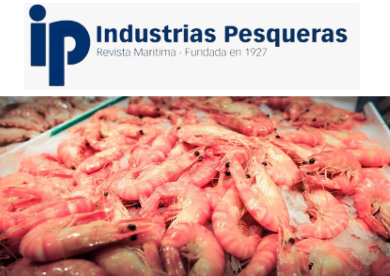 The European Union and Norway have reached an agreement on the shrimp quota in the North Sea and Skagerrak for the next season, which will begin on July 1 and last for one year, until June 30, 2027. The total quota will be 4,612 tons for the entire period, representing a 15% increase over the current quota and in line with the quota recommendation issued by the International Council for the Exploration of the Sea (ICES). Of the total, Norway will be allocated 2,888 tons, while the EU fleet will have 1,724 tons.
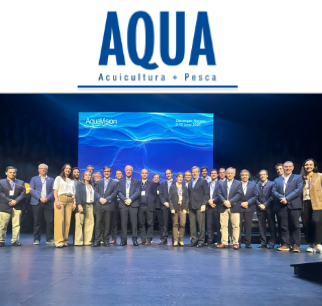 The 16th edition of
  UNITED KINGDOM
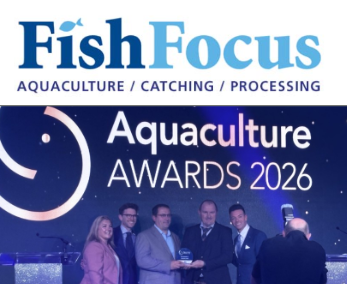 One of Scotland’s leading salmon producers has won a prestigious honour at an international awards ceremony.
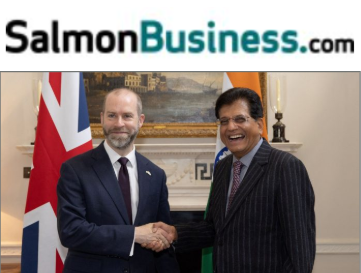 The trade deal will eliminate the current 33% tariff on Scottish salmon entering India, a market that industry representatives believe could offer significant growth opportunities for exporters.
 UNITED STATES
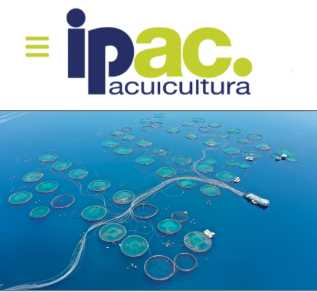 Eurostat data confirms that aquaculture in the EU continues to stagnate, while global production, on the contrary, continues its steady upward trajectory.
 SPAIN
SPAIN.png) The addition of the Olupale will allow the group to replace the Mar del Cabo, which was damaged by fire last year, and strengthen its fishing activity in a country that has been strategic for
The addition of the Olupale will allow the group to replace the Mar del Cabo, which was damaged by fire last year, and strengthen its fishing activity in a country that has been strategic for 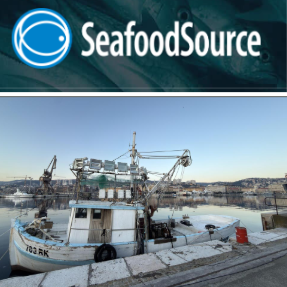 The European Commission has approved Croatia’s plan to provide EUR 8 million (USD 9.3 million) in financial support to its commercial fishing fleet, which like many is suffering from higher fuel costs caused by the Iran War.