IN BRIEF - 28 Chinese Fishing Vessels and Warships Surge Into Philippine Waters – Water Cannons Blast Local Fishing Vessels
PHILIPPINES
Friday, October 11, 2024
The Scarborough Shoal, a long-disputed maritime flashpoint in the South China Sea – where over 190 Chinese vessels, including 28 fishing vessels and PLAN warships have been spotted operating in Philippine waters – saw fresh turmoil on Tuesday when a Chinese Coast Guard cutter unleashed a water cannon barrage on a Philippine fisheries vessel. The dramatic confrontation, captured on video and broadcast by the state-run People’s Television Network, underscored the escalating friction between Manila and Beijing over the resource-rich shoal.
According to the Bureau of Fisheries and Aquatic Resources (BFAR), the incident involved two Philippine fisheries vessels—BRP Datu Cabaylo (MMOV-3001) and BRP Datu Sanday (MMOV-3002)—which were in the area to resupply local fishermen. As the ships approached the contested waters, they were met by two Chinese fishing vessels and a warship from the People’s Liberation Army Navy (PLAN). The footage shows China Coast Guard cutter 3301 unleashing torrents of water against the Datu Cabaylo, with Chinese vessels engaging in aggressive maneuvering to obstruct the Philippine boats. Despite the dangerous encounter, BFAR officials confirmed that the ships completed their mission.
Chile strengthens monitoring of fisheries and climate impacts
IFOP told Chile’s Fisheries Commission that El Niño 2026 is becoming intense to strong and may persist until autumn 2027, affecting resource availability, reproduction, landings, jobs and exports. SIOM supports monitoring, while SIMMO will integrate ocean, fisheries and aquaculture data.
The Organization of Fresh Fishery Producers of the Port of Vigo (OPPF-4) has expressed its deep dissatisfaction following the confirmation of the closure of the common pool for the anchovy (Engraulis encrasicolus) fishery in waters of ICES Zone 8, scheduled for 00:00 hours on September 29, 2026.
The OPPF-4 denounces that this measure is the result of deficient management by the Administration. The entity had already warned of the errors in the Resolution of September 16, 2026, issued by SEGEPESCA, which set a surplus allocation of nearly 800,000 kg to be distributed among purse seiners in the Cantabrian and Northwest fishing grounds—a figure they considered excessive.
The sector points out that the quantity allocated to other vessels equals the amount deducted from the common pool, demonstrating an unequal distribution. According to the OPPF-4, this scenario violates Order APA/377/2026, which requires ensuring fishing access for vessels included in the common pool while leaving a significant surplus unutilized for the rest of the fleet.
Key agreement supports vessels, jobs and access to strategic fishing grounds
Spain urged the EU to renew the Mauritania protocol before November 15. It affects around 20 Canary tuna and artisanal vessels, 200 fishermen plus hundreds of indirect jobs. Fleets from 10 EU states can catch up to 280,050 t/year of shellfish, demersal fish, tuna and small pelagics.
Two European black soldier fly (Hermetia illucens) farmers today published a jointly-written white paper that sets out what they say is a more real-world, up-to-date method of assessing the use and sustainability of insect ingredients in animal and aquafeed.
“Life Cycle Assessment (LCA) provides an essential foundation, but it does not always capture the full impact of ingredient choices within a changing food and feed system,” argue France-based Innovafeed and Dutch company Protix.
At scale, factors such as competition for raw materials, land-use implications, alternative uses of co-products and functional benefits in animal nutrition can materially influence the overall outcome.
Author: Gareth Moore / fishfarmingexpert | Read the full article here
Frøy has launched a new 4,500m³ wellboat that will operate under a long-term contract for salmon farmer SalMar.
The Frøy Frohav was launched at the Murueta shipyard outside Bilbao, Spain, and is scheduled for completion in October 2027. The vessel is nearly 90 metres long and has been designed for the transport and handling of live fish.
The vessel will use diesel-electric hybrid propulsion supported by a battery pack. A redesigned well circulation system is intended to improve water quality while reducing power consumption, including through shorter pipe runs and lower pumping heights.
Source: SalmonBusiness | Read the full article here
The Norwegian Seafood Council says the UK is one of the most stable and attractive markets for the country’s salmon.
New figures show that Norwegian salmon continues to play a central role in the UK seafood category, with total sales worth around £1.7 billion and farmed salmon accounting for approximately 92% of its seafood retail sales.
The Seafood Council believes several consumer trends are continuing to support demand. For example, raw consumption, particularly through sushi, has moved firmly into the mainstream, with sushi now worth £228 million in UK grocery retail and salmon accounting for more than half of consumption.
Author: Vince McDonagh / Fish Farmer | Read the full article here
12 expatriate workers detained for unlicensed fishing in Duqm
Omani authorities seized a commercial vessel in the Sea of Duqm for using prohibited nets. 12 expatriate workers were detained for fishing without licences.
The vessel, illegal gear and catch were confiscated, and the case was referred for legal action.
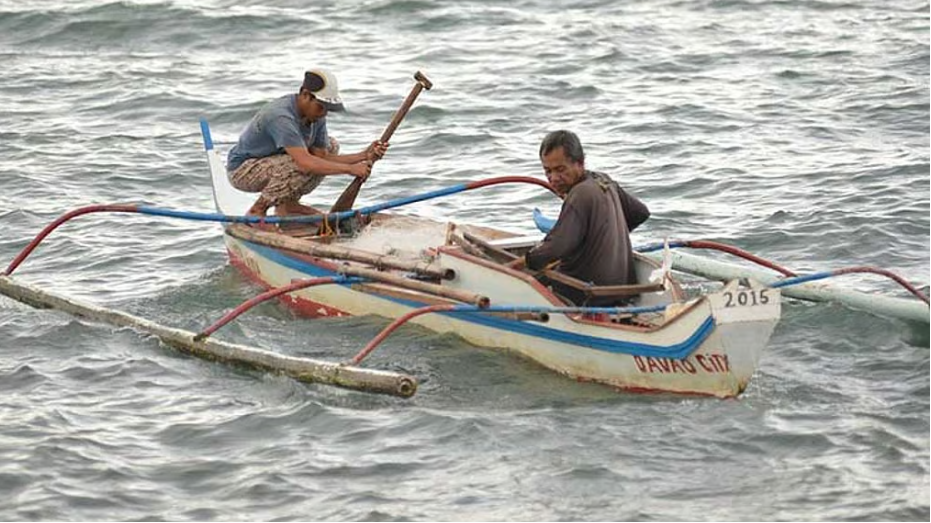
Aquaculture drives growth as output reaches 3,739.04 MT
Davao del Sur fisheries output climbed 20.8% in Q2 2026 to 3,739.04 MT. Aquaculture, accounting for 80.4%, rose 22.8% to 3,005.83 MT, led by milkfish at 2,211.23 MT.Marine cage production jumped 30.2%, strengthening the province’s overall fisheries performance.
Court found the state failed its constitutional duty to protect fish stocks
North Carolina appealed an August ruling that found all 13 state-managed coastal fish stocks, including flounder and shrimp, are currently not viable. The state cites climate change and budget limits, while conservation groups seek faster action to rebuild depleted stocks.
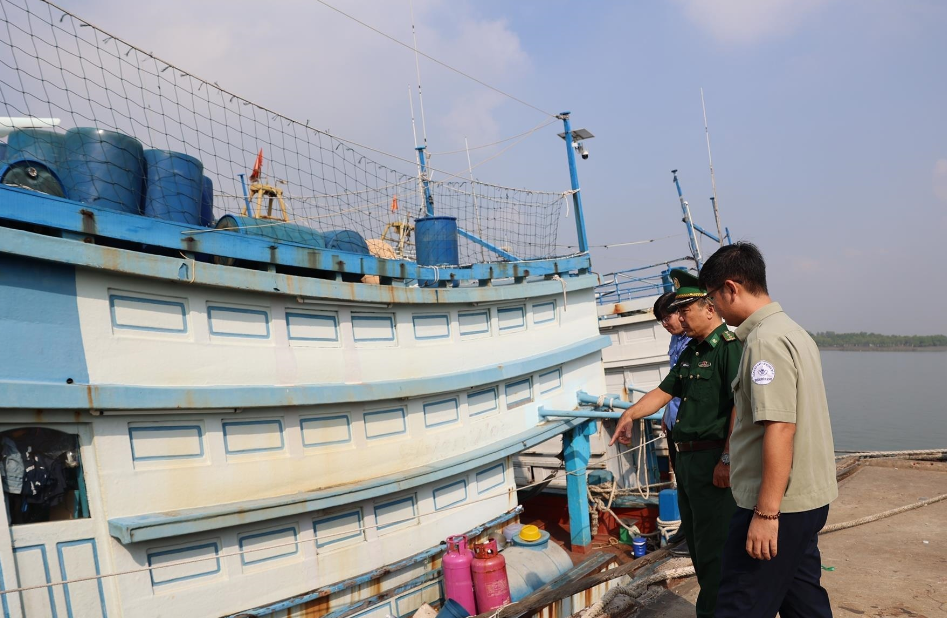
eCDT rollout strengthens traceability and fight against IUU fishing
Ho Chi Minh City ordered all fishing vessels 6 metres or longer to install eCDT by October 30. Boats without the system cannot leave port. The measure strengthens catch traceability, IUU fishing controls and compliance for seafood exports to the EU.
Northern Basin Atlantic Cod Spawning Stocks Begin Rebuilding Russia Fed.
Following a prolonged decline since 2015, Russian and Norwegian scientists observe signs of stabilization and project a Total Allowable Catch increase for 2027
The agency Rosrybolovstvo regularly mon...





 PHILIPPINES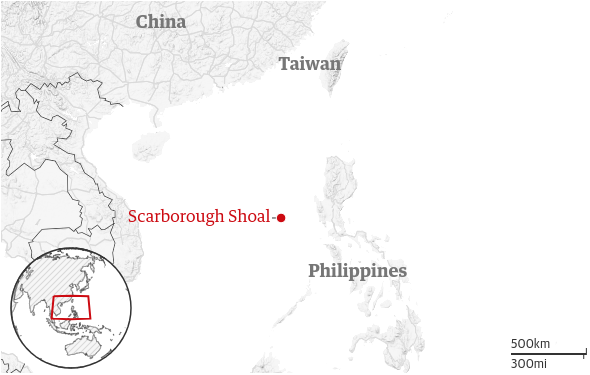
 CHILE
CHILE.png) IFOP told Chile’s Fisheries Commission that El Niño 2026 is becoming intense to strong and may persist until autumn 2027, affecting resource availability, reproduction, landings, jobs and exports. SIOM supports monitoring, while SIMMO will integrate ocean, fisheries and aquaculture data.
IFOP told Chile’s Fisheries Commission that El Niño 2026 is becoming intense to strong and may persist until autumn 2027, affecting resource availability, reproduction, landings, jobs and exports. SIOM supports monitoring, while SIMMO will integrate ocean, fisheries and aquaculture data. SPAIN
SPAIN.png) The Organization of Fresh Fishery Producers of the Port of Vigo (OPPF-4) has expressed its deep dissatisfaction following the confirmation of the closure of the common pool for the anchovy (Engraulis encrasicolus) fishery in waters of ICES Zone 8, scheduled for 00:00 hours on September 29, 2026.
The Organization of Fresh Fishery Producers of the Port of Vigo (OPPF-4) has expressed its deep dissatisfaction following the confirmation of the closure of the common pool for the anchovy (Engraulis encrasicolus) fishery in waters of ICES Zone 8, scheduled for 00:00 hours on September 29, 2026..png) Key agreement supports vessels, jobs and access to strategic fishing grounds
Key agreement supports vessels, jobs and access to strategic fishing grounds FRANCE
.png) “Life Cycle Assessment (LCA) provides an essential foundation, but it does not always capture the full impact of ingredient choices within a changing food and feed system,” argue France-based
“Life Cycle Assessment (LCA) provides an essential foundation, but it does not always capture the full impact of ingredient choices within a changing food and feed system,” argue France-based  NORWAY
 The Frøy Frohav was launched at the Murueta shipyard outside Bilbao, Spain, and is scheduled for completion in October 2027. The vessel is nearly 90 metres long and has been designed for the transport and handling of live fish.
.png)
 OMAN
OMAN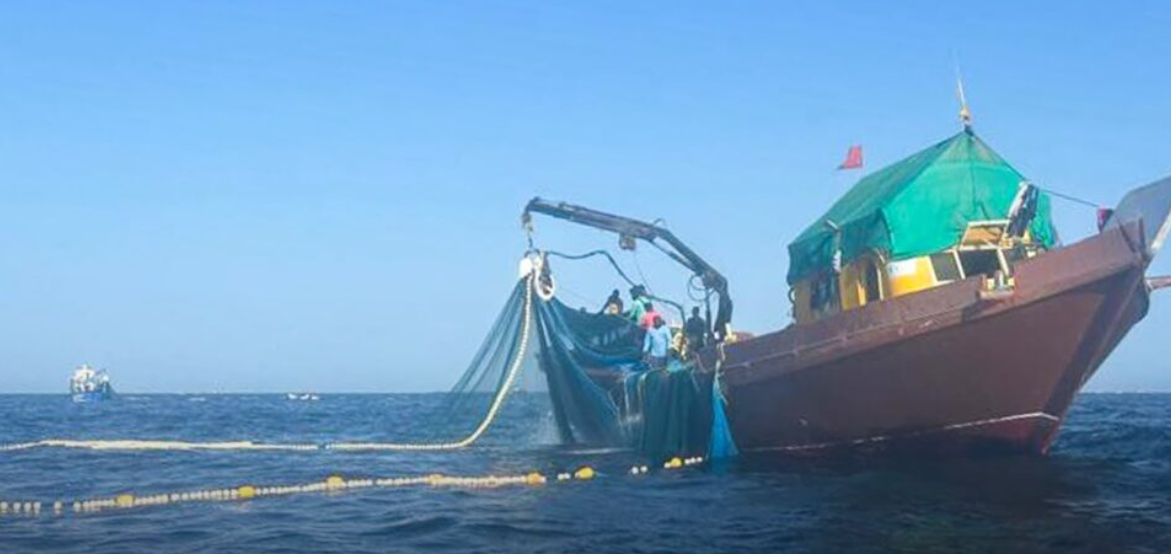
 Aquaculture drives growth as output reaches 3,739.04 MT
 UNITED STATES
.png) Court found the state failed its constitutional duty to protect fish stocks
Court found the state failed its constitutional duty to protect fish stocks VIET NAM
 eCDT rollout strengthens traceability and fight against IUU fishing