Other Media | Fish Focus: Funded training for onshore seafood businesses
UNITED KINGDOM
Thursday, October 08, 2026
The 2026/2027 Seafish Annual Plan focuses on three strategic outcomes:
A safe and skilled workforce;
Smoother and expanding seafood trade;
A resilient supply chain.
Our onshore training work contributes to our safe and skilled workforce outcome. Training is vital to the success of seafood businesses. It ensures that employees are skilled, competent and safe at work.
Per capita seafood consumption in Russia reached 28 kg per person annually in 2025, marking a 7% year-on-year increase, according to preliminary operational data provided by Rosstat. This milestone meets the dietary intake recommended by the Russian Ministry of Health.
The increase reflects strategic coordination among government bodies, commercial enterprises, and trade associations aimed at shifting consumer purchasing habits. Driven by culinary promotion, seafood has gained notable prominence in major public events, including the annual Moscow on the Wave culinary week, the Russian Fish festival held in St. Petersburg, the dedicated industry showcase at the national Russia exhibition, and the upcoming Fishing Kamchatka festival.
In parallel, authorities are advancing tripartite agreements between regional governments, research institutions, processing facilities, and retail chains to build and position locally sourced brands.
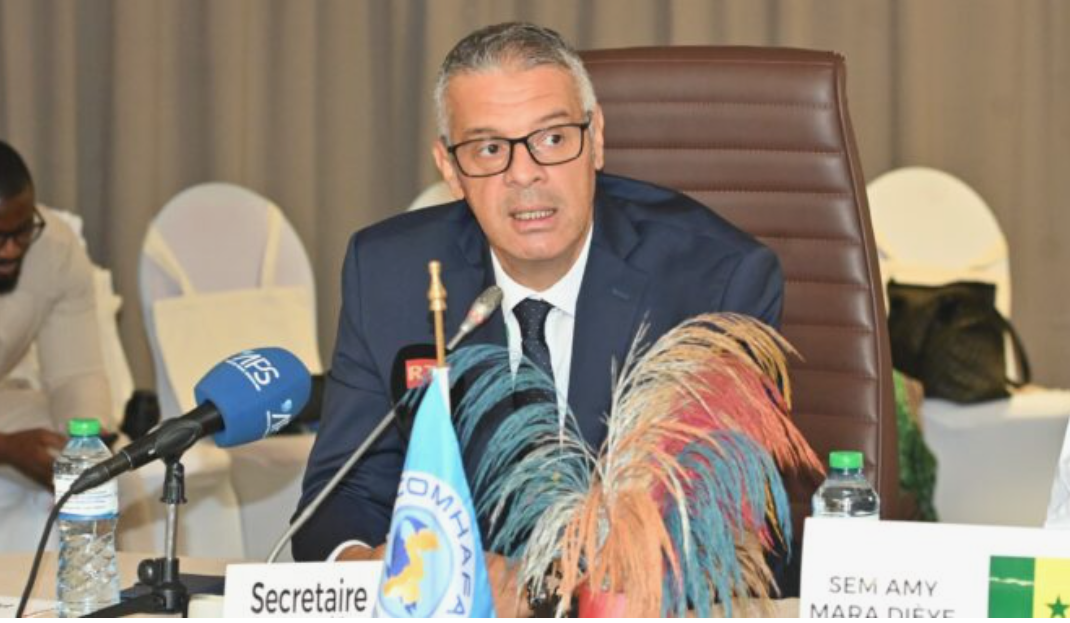
22 African countries seek to strengthen food security, sustainable production and economic growth.
At the Dakar summit (October 7–8), COMHAFAT, RAFAQUA and RAFISMER urged greater investment in aquaculture, research, infrastructure and regional cooperation to offset declining catches, meet rising seafood demand, create jobs and reduce import dependence.
Importers face fines of Shs200 million or seven years in prison.
Uganda plans stricter fishing regulations, including controls on nets, boats and fish sizes, plus closures of illegal landing sites. Minister Robert Migadde Ndugwa cited the seizure of 35,000 banned nets worth Shs950 million.
Local media in Peru are reporting that surveys by the Peruvian marine Research Institute (IMARPE) are indicating unfavorable conditions for the second anchovy fishing season.
Diario de Chimbote reported a meeting between Peru’s ministry of production (PRODUCE), the National Fisheries Society (SNP), and IMARPE indicated a second fishing season is unlikely to take place. According to the publication, preliminary results indicate a high presence of juvenile anchovies and high sea temperatures will make it difficult to fish for anchovy.
The official report has not been released byIMARPE, but the institute began its study on 15 September
Author: Chris Chase / SeafoodSource | Read the full article here
Proposed improvements focus on marine biodiversity, monitoring, traceability and more efficient assessments.
The Marine Stewardship Council (MSC) has opened a 60-day public consultation, until December 8, 2026, proposing stronger protection for endangered species, improved independent monitoring, greater seafood traceability and simpler certification procedures.
The revised MSC Fisheries Standard v4 is expected in September 2027.
The public consultation begins on Thursday, 8 October and will remain open for feedback until Tuesday, 8 December. All stakeholders can review the proposed revisions and provide feedback through an online survey.
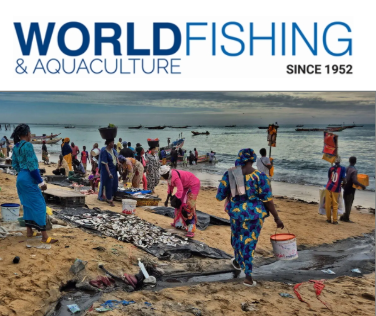
A new global fisheries project has launched across six countries, combining market incentives and governance reforms to improve seafood sustainability
A new five-year initiative to improve fisheries sustainability across northwest Africa and Latin America has officially launched, bringing governments, seafood businesses and development partners together across six countries.
The Global Marine Commodities 2 (GMC2) Project is being implemented by the United Nations Development Programme and funded by the Global Environment Facility, with the Sustainable Fisheries Partnership
An estimated 300 tonnes of salmon have died at two Multiexport Patagonia sites following a harmful algae bloom in Chile’s southern Magallanes region, according to fisheries and aquaculture regulator Sernapesca.
Preliminary losses total approximately 200 tonnes at Taraba 7 and 100 tonnes at Taraba 8. Both sites activated mass-mortality contingency plans on October 8.Sernapesca had been monitoring elevated algae concentrations at four Multiexport sites since mid-September. The regulator identified the species involved as Leptocylindrus minimus, with concentrations exceeding reference thresholds for harmful effects.
Source: Salmonbusiness | Read the full article here
New commitments against illegal fishing, with key negotiations pending.
India ratified Phase 1 of the WTO Fisheries Subsidies Agreement on July 20, 2026, targeting IUU fishing and overfished stocks.In Phase 2, it seeks a 25-year transition and special protections for small-scale fishers, balancing sustainability and livelihoods.
Vessel seized off Sabah with four tonnes of seafood
Malaysian authorities detained 65 Filipino crew members on September 27, 18 nautical miles off Mantanani Island. The vessel carried 4 tonnes of seafood worth RM350,000.
The crew faces alleged fisheries and immigration violations. Families seek government assistance.
Nissui reported that a systems failure has halted the inbound and outbound movement of goods managed by its logistics subsidiary Nissui Logistics, causing operational disruption across its distribution network in Japan.
TOKYO — A cyber incident has paralyzed the operations of Nissui Logistics, the logistics subsidiary of Japanese seafood and food giant Nissui, blocking the inbound and outbound movement of goods and triggering significant operational disruption across its distribution chain in Japan.
According to an official statement released on October 7, the disruption was linked to unauthorized third-party access to an external provider's data center used by the company. Nissui is also investigating whether any personal information or customer data was compromised or leaked during the breach.
The company stated that it is actively working to restore the affected systems, though it has not yet provided an estimated timeline for full recovery. It also did not disclose specific details regarding which warehouses, products, or volumes of goods have been affected by the shutdown.
The incident highlights the growing vulnerability of cold chains and food logistics infrastructure to digital disruptions, as companies increasingly rely on interconnected third-party networks to manage physical distribution.
EU Moves to Shield Tuna Cannery Industry from Thai Competition European Union
European Commission Proposes Tariff Exemptions Conditional on Raw Material Caught Exclusively by Union Fleet
The European Union faces a decisive moment for the future of its fishing and processing se...
Oceanus peruvianus: when the Pacific was Peruvian Peru
A historical journey through the maritime prominence of Peru, from ancient indigenous navigation and the colonial viceroyalty era to the 200-mile declaration and the modern challenge of rebuilding a l...





 UNITED KINGDOM
 The 2026/2027 Seafish Annual Plan focuses on three strategic outcomes:
 RUSSIAN FEDERATION
.jpeg)
 SENEGAL
 22 African countries seek to strengthen food security, sustainable production and economic growth.
 UGANDA
 PERU
PERU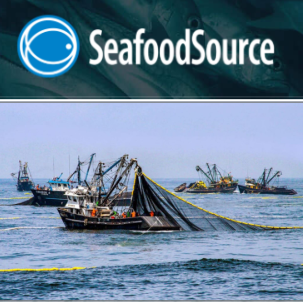 Local media in Peru are reporting that surveys by the Peruvian marine Research Institute (IMARPE) are indicating unfavorable conditions for the second anchovy fishing season.
 WORLDWIDE
 Proposed improvements focus on marine biodiversity, monitoring, traceability and more efficient assessments.
 A new global fisheries project has launched across six countries, combining market incentives and governance reforms to improve seafood sustainability
 CHILE
CHILE.png) An estimated 300 tonnes of salmon have died at two
An estimated 300 tonnes of salmon have died at two  INDIA
INDIA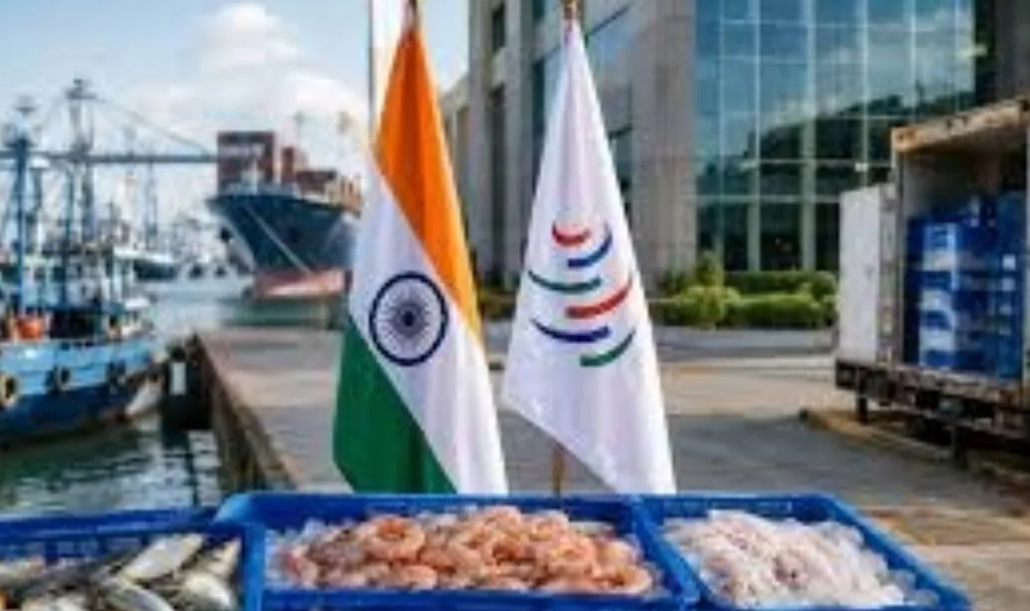 New commitments against illegal fishing, with key negotiations pending.
 MALAYSIA
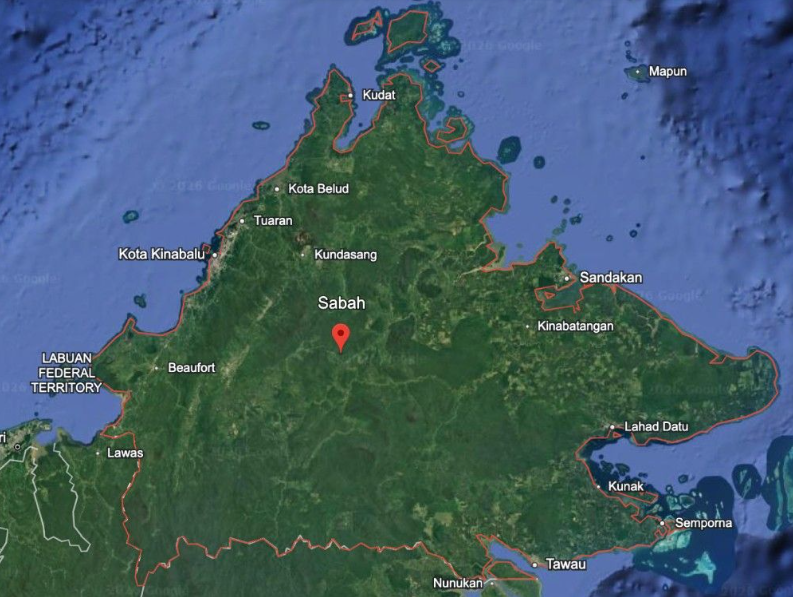 Vessel seized off Sabah with four tonnes of seafood
 JAPAN
JAPAN.jpg)