IN BRIEF - Moderate growth seen for world’s farmed salmon supply
UNITED STATES
Saturday, January 13, 2018
Global harvest volumes for farmed salmon will see moderate growth this year, with supply from traditional and non-conventional sources including land-based salmon farming contributing to that growth, says an analyst.
In 2016, global harvest volumes fell 7 percent due to biological challenges in the main salmon farming regions — Norway and Chile — which faced sea lice and algal bloom problems, respectively, said Tone Bjorstad Hanstad, equity research analyst at Norwegian investment bank DNB Markets.
Handstad said the moderate-growth expectation is also due to the continued reluctance of governments in allowing too much growth.
Norway and Chile account for 75 percent of global farmed salmon supply.
by Liza Mayer/aquaculturenorthamerica.com | Read full story here
Bern Aqua, an ADM group company and supplier of hatchery and nursery feeds for fish and shrimp, has become the first aquaculture feed producer in Belgium to achieve Best Aquaculture Practices (BAP) certification.
The certification was awarded to the company’s feed mill in Olen and marks a significant milestone for both Bern Aqua and the wider Belgian aquaculture sector. The achievement reflects growing global demand for greater traceability, responsible sourcing and independently certified feed production across the aquaculture sector.
Although the aquaculture industry has good operations and a high level of awareness about marine litter, fish farming equipment is still being lost at sea, according to a new survey conducted by the research organisation Opinion on behalf of the Norwegian Directorate of Fisheries.
The survey is based on interviews with 12 representatives from the aquaculture industry. Eight out of 12 state that they have lost major farming components over the past five years.
The findings show that losses most often occur during demanding operations such as delousing, net changes and maintenance work.
Author: Vince McDonagh / Fish Farmer | Read the full article here
Aquascot, the employee-owned Scottish seafood processor behind Waitrose’s premium Scottish salmon and trout range, has been named Waitrose Own Brand Supplier of the Year 2026.
The award recognises Aquascot’s long-standing commitment to quality, innovation and partnership and marks the first time the Highland-based business has received the honour in more than 30 years of supplying the retailer. Aquascot first started supplying Waitrose in 1993 and has been a permanent dedicated supplier since 2003.
Source: fishfarmingexpert | Read the full article here
The cross-border initiative, funded by European Interreg POCTEP funds until 2028, will combat the aging workforce by promoting employment, digitalization, and equality in Galicia, Andalusia, and Portugal.
VIGO – Spain and Portugal have launched the European project MUDARPESCA, a strategic cross-border cooperation alliance designed to attract young people to the seafood sector and ensure generational renewal. Co-financed by the Interreg POCTEP 2021-2027 program through the ERDF fund, the initiative will run until February 2028 to revitalize the economies of Galicia, Andalusia, and the Portuguese coast—regions heavily affected by the lack of young labor and a general lack of social awareness regarding maritime professions.
The project, led by the Shipowners Cooperative of the Port of Vigo (ARVI), includes the creation of a digital platform to connect companies with job seekers, awareness campaigns in educational centers, and strategic recommendations for the sustainability of the blue economy. Key stakeholders participating in the consortium include Sinerxia, FOR-MAR, OPP Lonja de Conil, the Xunta de Galicia, the Portuguese DGRM, Docapesca, and FECOPESCA, among other entities.
The European Commission has published a new study on reducing greenhouse gas emissions in Europe's aquaculture sector. It offers a set of potential pathways to achieve climate neutrality by 2050 and concludes with concrete policy recommendations, including investment in research into new feed raw materials and improvements to EU aquaculture policy.
One of the recommendations focuses on boosting energy efficiency and digitalization, both for the opportunities it offers to save costs and emissions, and for the implementation of artificial intelligence-based technologies that offer promising solutions for reducing GHG emissions, both at the farm level and by predicting ecosystem changes that negatively impact producers.
Source: iPac.aquacultura | Read the full article here
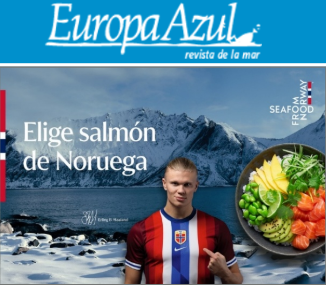
A Nordic Council report advocates combining education, availability, price, and consumer information to incorporate more fish and seafood into the diet
Increasing seafood consumption in Nordic countries requires public policies capable of influencing consumer habits, motivation, and real choices. This is the argument put forward in the Nordic Aquatic Food Systems report by the Nordic Council of Ministers, which analyzes the necessary measures to strengthen the presence of fish, seafood, and other aquatic products in a healthy and sustainable diet.
The document starts from a central idea: simply informing the public about the nutritional benefits of fish is not enough.
ASC responds to U.S. Senate Inquiry, highlighting transparent and independent assurance of the ASC Programme. Aquaculture Stewardship Council (ASC) has responded to the U.S. Senate Health, Education, Labour and Pensions (HELP) Committee, outlining the robustness of its certification system, which is built on stringent standards, independent third-party audits, full supply chain traceability, and public transparency to provide credible assurance for certified seafood products. ASC-certified products are available in markets worldwide, including the United States, which is a strongly growing market for ASC, and provide assurance to retailers and consumers that seafood has been produced in accordance with ASC requirements.
Inverlussa Marine Services has signed contracts for three new hybrid vessels in a fleet expansion programme that will increase its fleet to 25 vessels when the ships are delivered in summer 2027.
The Scottish aquaculture support company has ordered a 20-metre by 12-metre heavy service catamaran from Macduff Shipyards, a 25-metre by 10.6-metre heavy service vessel from Nauplius Workboats, and a 27-metre by 11-metre fish feed carrier with a 400-tonne hold capacity from Parkol Marine Engineering.
All three vessels have been designed by Macduff Ship Design and will be equipped with battery-hybrid propulsion systems and IMO Tier III engines aimed at reducing emissions and improving fuel efficiency.
Source: SalmonBusiness | Read the full article here
With the 2026 FIFA World Cup soccer competition kicking off in the U.S., viewers on the West Coast can watch matches from the water in Elliott Bay, Seattle, U.S.A., aboard a floating soccer pitch.
The Seattle Sounders and Reign FC soccer teams launched the floating festival next to Pier 62 on a repurposed commercial fish container barge with an LED screen, a small soccer pitch, live programming, fan events, cultural programming, watch parties, and community soccer activities for the duration of the tournament.
The commercial fish container barge, which until recently was a working maritime vessel that carried containers of fish from Alaska and Hawaii, arrived to Seattle’s waterfront guided by the Ocean Navigator tugboat,
Author: Haley Jones / SeafoodSource | Read the full article here
Chilean fisheries and aquaculture exports reached a value of US$1,870.4 million in February 2026, registering a 12.1% increase compared to the same period of the previous year and placing them 33.9% above the average observed during the five-year period 2021-2025, according to the latest Sector Report prepared and published by the Undersecretariat of Fisheries and Aquaculture (Subpesca).
In terms of volume, shipments totaled 398,900 tons, a figure that represents a 21% increase compared to 2025 and a 49.5% increase compared to the average of the last five years, reflecting the strengthening of the presence of Chilean seafood products in international markets.
Source: MundoAcuicola | Read the full article here



 UNITED STATES
 BELGIUM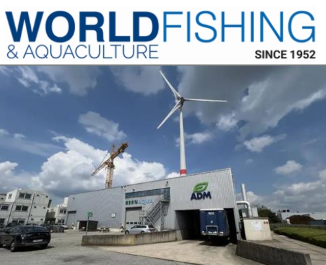
 WORLDWIDE
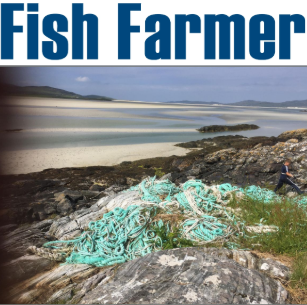 Although the aquaculture industry has good operations and a high level of awareness about marine litter, fish farming equipment is still being lost at sea, according to a new survey conducted by the research organisation Opinion on behalf of the Norwegian Directorate of Fisheries.
 UNITED KINGDOM
 Aquascot
 SPAIN
SPAIN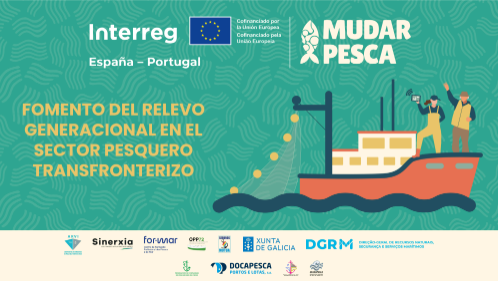
 EUROPEAN UNION
 The European Commission has published a new study on reducing greenhouse gas emissions in Europe's aquaculture sector. It offers a set of potential pathways to achieve climate neutrality by 2050 and concludes with concrete policy recommendations, including investment in research into new feed raw materials and improvements to EU aquaculture policy.
 NORWAY
 A Nordic Council report advocates combining education, availability, price, and consumer information to incorporate more fish and seafood into the diet
.png) ASC
ASC.png) The Scottish aquaculture support company has ordered a 20-metre by 12-metre heavy service catamaran from Macduff Shipyards, a 25-metre by 10.6-metre heavy service vessel from Nauplius Workboats, and a 27-metre by 11-metre fish feed carrier with a 400-tonne hold capacity from Parkol Marine Engineering.
The Scottish aquaculture support company has ordered a 20-metre by 12-metre heavy service catamaran from Macduff Shipyards, a 25-metre by 10.6-metre heavy service vessel from Nauplius Workboats, and a 27-metre by 11-metre fish feed carrier with a 400-tonne hold capacity from Parkol Marine Engineering.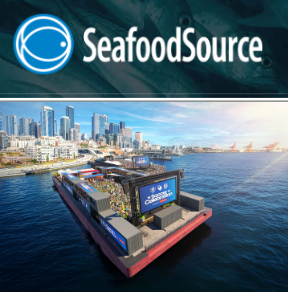 With the 2026 FIFA World Cup soccer competition kicking off in the U.S., viewers on the West Coast can watch matches from the water in Elliott Bay, Seattle, U.S.A., aboard a floating soccer pitch.
 CHILE
CHILE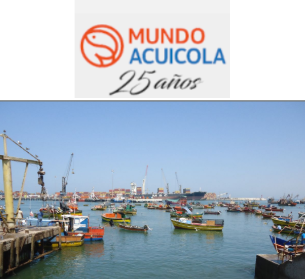 Chilean fisheries and aquaculture exports reached a value of US$1,870.4 million in February 2026, registering a 12.1% increase compared to the same period of the previous year and placing them 33.9% above the average observed during the five-year period 2021-2025, according to the latest Sector Report prepared and published by the Undersecretariat of Fisheries and Aquaculture