|
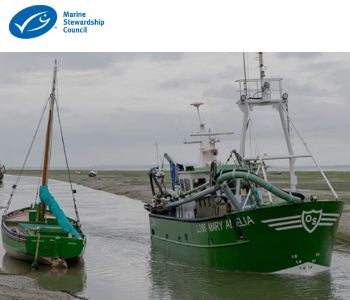
'Mary Amelia' dredge boat. Photo: MSC/FIS
Thames Estuary Cockle Fishery Earns Re-Certification for Sustainable Practices
 (UNITED KINGDOM, 8/20/2025)
The fishery’s commitment to the environment and its business is rewarded with a major sustainability achievement
The Thames Estuary Cockle fishery is celebrating a major sustainability achievement with the re-certification of its operations for the upcoming season. The fishery, which operates out of three ports—Leigh-on-Sea in Essex, and Whitstable and Queenborough in Kent—has been a staple of mollusks for centuries. It has been re-certified to the Marine Stewardship Council’s (MSC) rigorous Standard for sustainable fishing, demonstrating its sustainability credentials and its alignment with global best practices.
_tmb-thumb300.jpg) _tmb-thumb300.jpg)
Photo: MSC
The blue MSC ecolabel is the world’s most recognized mark for sustainable seafood. This re-certification highlights a remarkable turnaround for the fishery, which was close to collapse in the 1980s, and was first certified as sustainable in 2019.
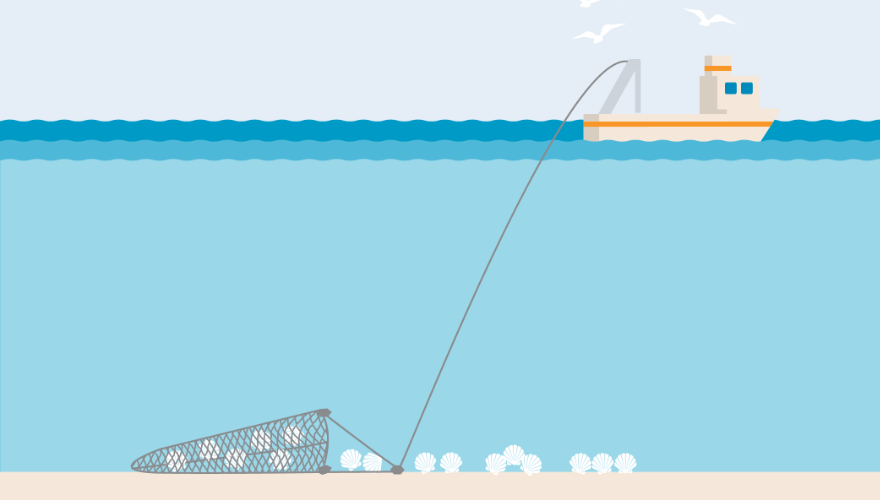
Photo: MSC
A Model of Conservation and Collaboration
 Alex Holdgate, MSC Fisheries Manager, praised the fishery's efforts. "The Thames Cockle is an outstanding example of a traditional fishery operating in a modern, forward-looking way," he said. "They are sustaining a thriving business while also ensuring they protect this area of outstanding beauty and environmental importance that’s home to many wildlife species. The Thames Estuary Cockle Fishery continues to be a beacon of sustainable fishing and one the fishermen there can be proud of.” Alex Holdgate, MSC Fisheries Manager, praised the fishery's efforts. "The Thames Cockle is an outstanding example of a traditional fishery operating in a modern, forward-looking way," he said. "They are sustaining a thriving business while also ensuring they protect this area of outstanding beauty and environmental importance that’s home to many wildlife species. The Thames Estuary Cockle Fishery continues to be a beacon of sustainable fishing and one the fishermen there can be proud of.”
The fishery, which includes 14 licensed vessels under the management of the Leigh Port Partnership, employs a strategic approach to ensure the long-term health of the cockle stocks. This includes limiting the catch to specific months of the year and only harvesting cockles that have reached a minimum size, allowing the shellfish to mature and reproduce.
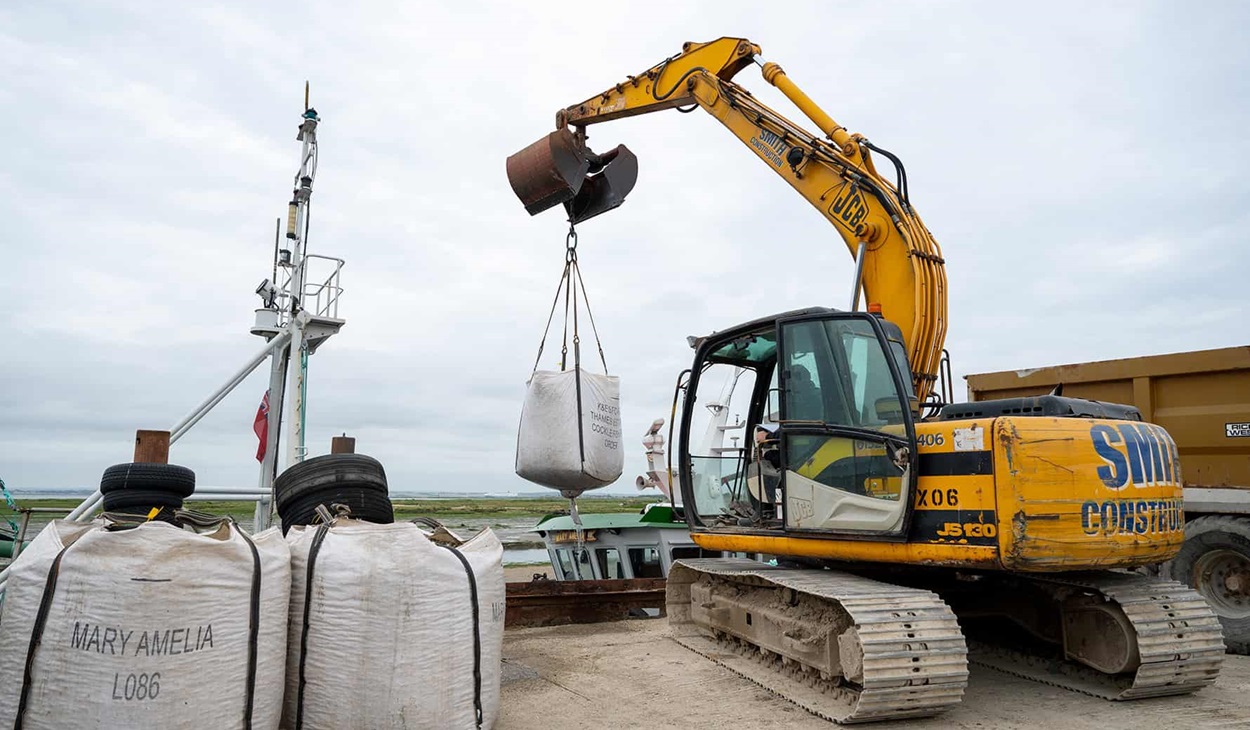
Photo: MSC
Balancing Business and Biodiversity
Crucially, the fishery also factors in the needs of the wider ecosystem. A unique "rule of thirds" is employed to ensure that a portion of the catch is reserved for local wildlife. The fishermen harvest one-third of the available cockles, leave one-third for the local seabird population that overwinter on the tidal banks, and leave the remaining one-third to help with stock health for the following season.
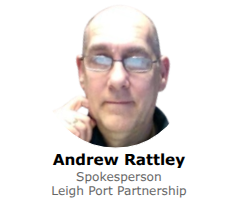 Andrew Rattley, Leigh Port Partnership spokesperson, expressed his pride in the achievement. “Our commitment to only cockle in this way for the last 50 or so years, taking limited catches, has certainly been rewarded and allows us to continue our committed sustainable path for the future years and generations to continue.” Andrew Rattley, Leigh Port Partnership spokesperson, expressed his pride in the achievement. “Our commitment to only cockle in this way for the last 50 or so years, taking limited catches, has certainly been rewarded and allows us to continue our committed sustainable path for the future years and generations to continue.”
Independent assessors concluded that the fishery, first certified in 2019, operates under a well-established and effective management system, with healthy cockle stocks. Regulated by the Kent & Essex Inshore Fisheries and Conservation Authorities, (IFCA), it is the fifth MSC certified cockle fishery in the North Atlantic, along with Poole Harbour, and the Dee and Burry Estuary fisheries in the UK.
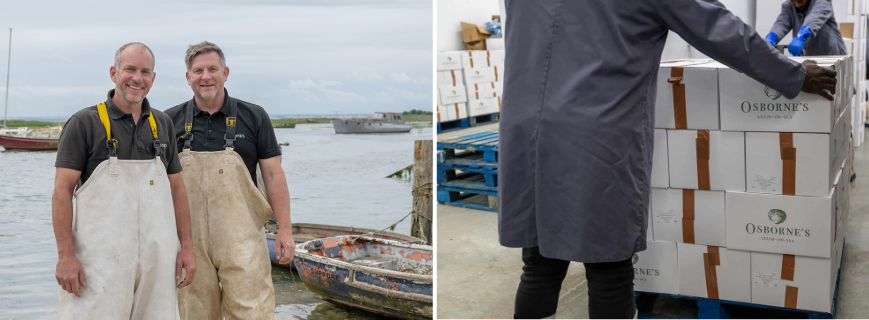
Andrew Lawrence and Graham Osborne. Photo: MSC
The Thames Cockles and the Osborne family fishing business spearheaded the MSC’s Sustainable Seafood September campaign in 2024.
editorial@seafood.media
www.seafood.media
Information of the company:
|
Address:
|
Marine House, 1 Snow Hill
|
|
City:
|
London
|
|
State/ZIP:
|
England (EC1A 2DH)
|
|
Country:
|
United Kingdom
|
|
Phone:
|
+44 (0)20 7246 8900
|
|
Fax:
|
+44 (0)20 7246 8901
|
|
E-Mail:
|
info@msc.org
|
|
Skype:
|
https://www.instagram.com/mscecolabel/
|
More about: 
|
|
|
|






 Print
Print